BlogOlive Guide10/10/2026
What Is Olive Calibre? What Do the XL, 2XL and M Labels Mean?
Calibre shows the approximate number of olives per kilogram; the smaller the number, the larger the olive.
On olive packaging you see letters such as "XL", "2XL" or "M" and ranges such as "201-260". This is calibre information describing the size of the olive. Calibre is the common language the olive trade uses to grade the product by size; once you decode the letters and numbers on the label, you can predict what kind of olive you are getting before you buy.
In this post we cover how calibre is read, what it means through examples from Zeykur products and how size relates to quality. The aim is to help you read labels with confidence when shopping.
How to read calibre
The calibre range shows the approximate number of olives in one kilogram. The fewer the olives, the larger each one: an olive sized at 181 per kilogram is larger than one at 290. Because the count is given per kilogram, the numbers can look inverted at first; a smaller number means a bigger olive. The logic is simple: if fewer olives fill a kilogram, each is larger.
A range is given because, in natural products, not every olive is the same size, so an approximate span is used. The letters (M, L, XL, 2XL and so on) are class names that summarise these ranges, and the further along the letters, the larger the olive.
Examples from Zeykur products
On Zeykur products the calibre information appears directly on the product page. The examples below show that different sizes can exist even within the same product group.
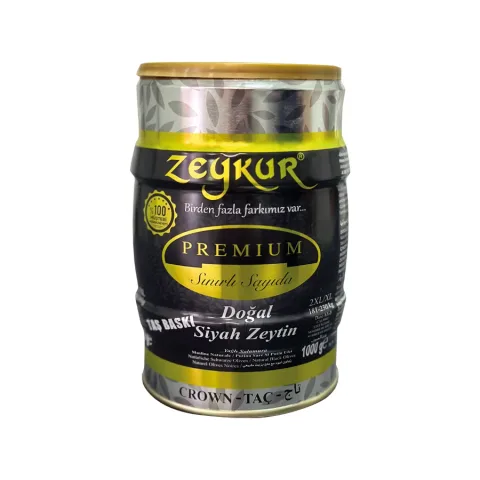
- Premium Taç (2XL/XL): 181-230 olives per kilogram; the largest in the range.
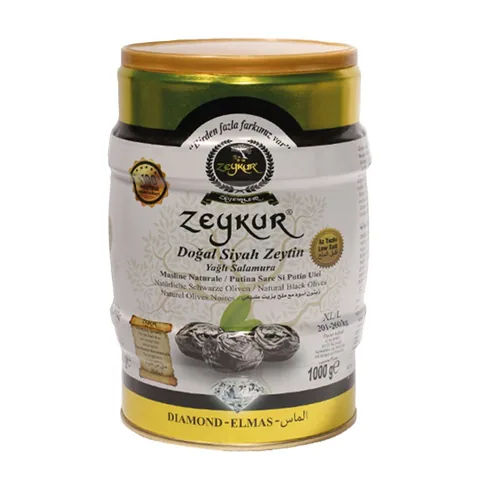
- Elmas (XL/L): 201-260 olives per kilogram; large and plump.
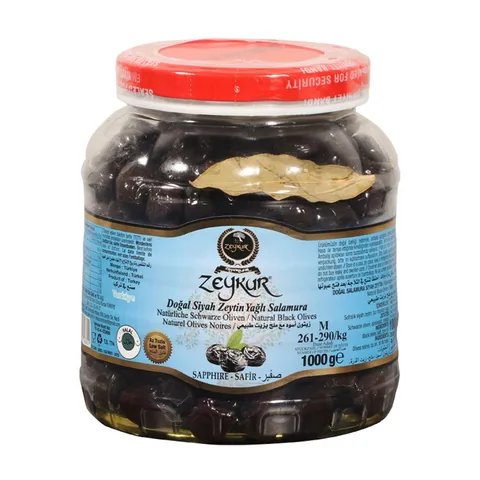
- Safir (M): 261-290 olives per kilogram; medium size.
- Green Domat, cracked: 120-140 large olives.
In black olives, Premium Taç represents the largest group while Safir represents a smaller, easy-to-eat size. For green olives the count may be on a different scale, so when comparing olives, use the same product type and the same unit.
Is bigger better?
No, size is a matter of preference rather than a quality ranking. Large olives give a plump texture and stand out when served; medium olives offer a balanced size for breakfast and mezze. In practice, medium is chosen for salads and breakfast, and large for serving and presentation. For olives to be stuffed or pitted, a large size makes them easier to handle.
Calibre is not the only measure that determines flavour; preparation method, salt level and ripeness matter at least as much as size. Producers may use the letter classes with different ranges; the most reliable approach is to check the olives-per-kilogram range on the product page.
Related products
Comments
No comments yet. Be the first to comment.