BlogOlive Guide10/10/2026
What Are Oil-Cured Brine and Stone Pressing? How to Store Olives
A short look at traditional olive preparation methods and ways to keep opened olives fresh.
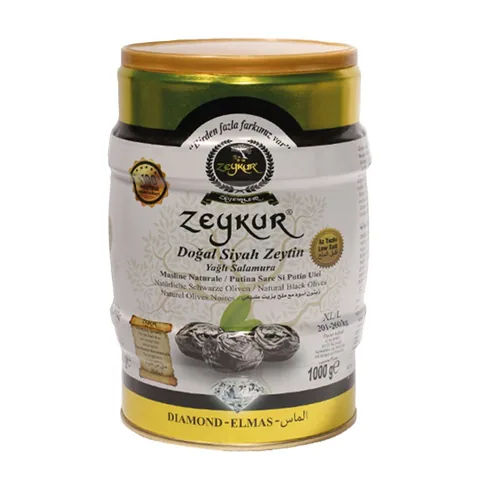
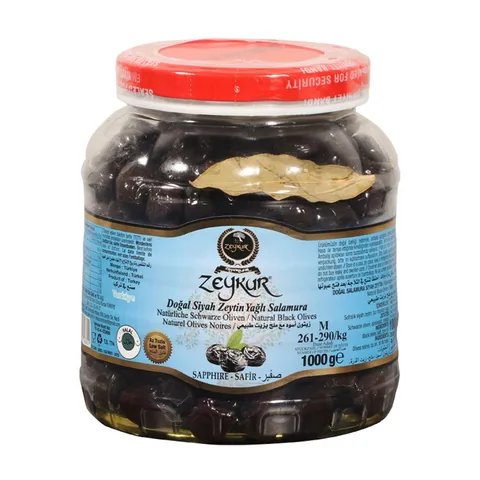
On Zeykur black olive packs you see the phrases "oil-cured brine", "stone pressing" and "natural fermentation". These are traditional methods describing how the olive ripens, and they summarise the product's production story in a few words. Once you know the label, you understand not only what you are eating but also how it was prepared.
In this post we cover what each term means, how it shows in the taste of the olive and how to store olives after opening the pack.
Brine
Brining is the traditional method of ripening olives in a salted water environment. This environment helps the olive's bitterness fade gradually and balances its taste. Salt also plays a role in preserving the product. Zeykur black olives are prepared in oil-cured brine.
In oil-cured brine, the olive meets the softening effect of oil alongside the salted water, giving a softer texture and a rounder flavour. The result is an olive that keeps the traditional taste while feeling balanced on the palate.
Natural fermentation
The olives ripen by going through natural fermentation, yielding a natural olive that receives no chemical treatment. Fermentation takes time, and when it is not rushed the olive's own aroma develops. That is why olives prepared by natural fermentation often have a deeper taste.
Since the olive's own structure drives the process, slight differences from batch to batch are normal. This difference is a sign that the product is natural; unlike an industrially standardised taste, it reflects the character the olive carries from year to year.
Stone pressing
Stone pressing is a traditional technique in which weight is placed on the olives to keep them in the brine. Zeykur olives are prepared this way and keep their natural aroma. Thanks to the weight, olives do not float to the surface of the liquid and have less contact with air. It is a simple but effective solution that supports even ripening and preservation.
The technique is old, but modern methods reach the same goal with other tools. For those who prefer the traditional way, stone pressing is part of the product's character.
How to store opened olives
Keeping olives in their liquid prevents the surface from drying and the taste from changing. Olives left exposed meet the air, and their smell and texture can change over time. A few simple rules for an opened pack are enough.
- After opening, keep the olives in the liquid they come in.
- Close the lid tightly; store in a cool place or in the refrigerator.
- Use a clean, dry spoon when taking olives out.
- Follow the storage and expiry information on the product label.
If you notice a white layer or an unpleasant smell, do not eat the product. When in doubt, following the label and discarding it is the safest way.
Related products
Comments
No comments yet. Be the first to comment.